What is the purpose of life in Islam? An In-Depth Overview
Introduction
Understanding the purpose of life in Islam is a question that has charmed humanity for centuries. It is a universal question that exceeds culture, religion, and time. For Muslims, the answer lies within the teachings of Islam, which provide a clear and comprehensive explanation of why we exist and what our lives should revolve around. This article explores the Islamic perspective on the purpose of life, guiding readers through deep Quranic understandings and practical importance to help them match their lives with sacred purposes.
Islam teaches that life is not a random happening but a purposeful creation by Allah. Every aspect of human existence is loaded with meaning, centered on worshipping Allah and preparing for the eternal life of the Hereafter. By exploring this topic, this article aims to provide clarity, inspiration, and actionable guidance for those seeking to understand their role in the great system of creation.
Recommended: Explore the principles of Islam and achieve proficiency in the Quran.
1. The purpose of Life in Islam
What is Life According to Islam?
Life in Islam is seen as a sacred trust, with every moment carrying importance. Islam serves as a platform for spiritual growth, self-improvement, and selecting a meaningful connection with Allah. By acknowledging that life is temporary and its pleasures are quick, believers are inspired to invest their time and energy in acts that cause endless rewards. The understanding promotes modesty, gratitude, and a sense of responsibility toward oneself and others.
Life as a Test and Temporary Phase Before the Hereafter
Life tests are various, covering problems of wealth, health, relationships, and faith. The life trials are not meant to harm but to reveal the true character of an individual. As stated in Surah Al-Baqarah (2:286), Allah does not burden a soul beyond what it can bear. This verse comforts believers that every challenge is within their capacity to overcome and is an opportunity to earn Allah’s mercy and reward. Muslims are reminded that regular patience and gratitude in times of difficulty and well-being are key markers of a successful test.
Creation of Humans and Purpose
The Quran clarifies humanity’s purpose not only in terms of worship but also as caretakers of the Earth (Khalifah). In Surah Al-Baqarah (2:30), Allah mentions: Indeed, I will make upon the Earth a successive authority. The verse highlights the dual role of humans as worshipers and guardians responsible for ensuring justice, peace, and goodness on Earth. Worship, therefore, exceeds rituals, containing ethical conduct, environmental responsibility, and community service. By representing these principles, Muslims fulfil their divine purpose and contribute positively to the world.
Recommended: Deepen your faith and understanding of the Quran.
2. Core Purposes of Life in Islam
Worship of Allah (Ibadah)
In Islam, the concept of worship, or Ibadah, extends far outside the traditional acts of prayer, fasting, and pilgrimage. While these are important pillars of worship, the true meaning of Ibadah is reflected in every action that a Muslim undertakes, provided it is done with sincerity and in match with Allah’s principles. Ibadah means that living a life of goodness, honesty, and empathy towards others is also an act of worship. Whether one is working, studying, raising children, or interacting with fellow humans, every task can become a means of worship when performed with the intention to please Allah. Islam teaches that all of life is an opportunity for worship, and thus, every act if done with a pure heart and the right intention, is considered a service to Allah.
Building a Relationship with Allah
A central aspect of the Islamic worldview is the belief in Tawheed—the Oneness of Allah. The belief is not only intellectual, but it forms the foundation of a deep, personal relationship with the Creator. By engaging in everyday acts of worship such as prayer (Salah), supplication (du’a), and remembrance (dhikr), Muslims draw closer to Allah. The spiritual connection is vital to finding inner peace and fulfilment, as it is through remembering Allah that the heart finds tranquillity (Qalb). The spiritual relationship is encouraged through continuous reflection on Allah’s attributes, seeking forgiveness for one’s weaknesses, and aiming to live a life that matches Allah’s guidance. By developing this personal bond, a Muslim develops spiritual strength and a sense of purpose, ensuring that every challenge faced in life is seen as a test to strengthen this connection.
Living by Islamic Principles
A purposeful life in Islam is naturally linked to living in accordance with Shariah, the divine law revealed through the Quran and Hadith. Shariah provides a complete framework that controls not only religious practices but also personal and social behaviour. Shariah calls Muslims to be just, forgiving, and honourable in their dealings with others. Keeping moral values such as honesty, modesty, patience, and kindness is a key element of living by Islamic principles. By seeking to reflect this purity, Muslims contribute to the betterment of society, making their lives a proof of the Islamic way of peace, patience, and respect for all creation. By following the guidelines of Shariah, Muslims seek to represent the character of the Prophet Muhammad (peace be upon him), who was described as a living example of the Quran.
Striving for the Akhirah (Hereafter)
While the purpose of a meaningful life in this world is important, Islam highlights the temporary nature of the dunya (worldly life) and encourages believers to prioritize the Hereafter (Akhirah). The Quran and Hadith teach that the highest purpose of life is to gain the pleasure of Allah and secure a place in Paradise. Striving for Akhirah requires self-reflection, repentance, and the consistent performance of good deeds. Muslims are encouraged to seek forgiveness for past mistakes, correct their wrongs, and continuously seek to improve their actions in both private and public domains. Engaging in acts that benefit others—such as charity, justice, and community service—is considered vital to the preparation for the Hereafter. By keeping the goal of the Akhirah in mind, Muslims are reminded to not become consumed by material goals but to lead a balanced life, making sure that their actions contribute to both worldly peace and lasting success in the Hereafter.
Recommended: Let’s make Islamic education enjoyable for children.
3. Responsibilities of a Muslim
Towards Allah
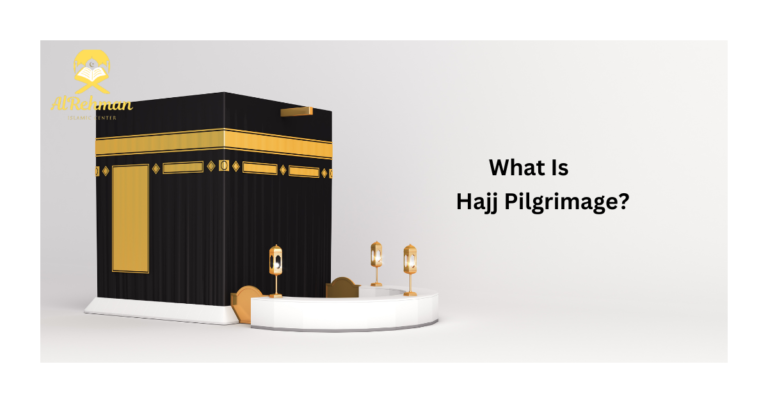
The main responsibility of a Muslim is to acknowledge and fulfil the duties directed by Allah. Responsibilities begin with the fundamental pillars of Islam, such as performing the five daily prayers (Salah), fasting during the month of Ramadan (Sawm), giving charity (Zakat), and performing pilgrimage (Hajj), if able. These acts are not only rituals but are powerful means to strengthen the bond with Allah, reminding the believers of their dependence on Him and their responsibility to follow Allah’s guidance. Every act of worship in Islam serves to re-match the individual’s heart and actions with the will of Allah, making sure that their life is spent in service to the Creator. In addition to the required acts, a Muslim has the responsibility to stick to the moral and ethical guidelines set by Allah, such as honesty, humility, and understanding, as summarised in the Quran and Hadith. Regular remembrance of Allah (dhikr) and seeking forgiveness for shortcomings further encourage the relationship, helping Muslims maintain a state of humbleness and gratitude throughout their lives.
Towards Society
Islam inspires a strong sense of social responsibility. Muslims are not only responsible for their own personal worship but also for their actions within the larger society. The Quran and Hadith highlight the importance of contributing positively to the well-being of others. Muslims are motivated to maintain justice, work for the welfare of the community, and promote peace and unity. Acts such as feeding the hungry, supporting orphans, offering kindness to neighbours, and ensuring fair treatment of others are highly valued. The Prophet Muhammad (peace be upon him) taught that the best of people are those who benefit others, and the concept of sadaqah (charity) extends beyond financial contributions to include any form of good or support given to others, such as offering a kind word, contributing, or resolving disagreements. Furthermore, Muslims are advised to promote social justice, stand against oppression, and support causes that protect the rights of others, ensuring that society functions in accordance with Islamic ethics and values.
Towards Oneself
Self-care and personal growth are not ignored in Islam. In fact, they are considered essential to fulfilling one’s responsibilities as a Muslim. Islam teaches that in order to actually serve Allah, others, and society, one must first take care of their own physical, mental, and spiritual well-being. Responsibilities towards oneself involve seeking knowledge, which is considered an important responsibility for every Muslim, male and female. Achieving knowledge helps to promote wisdom, allows for better decision-making, and aids in personal development.
Furthermore, Islam highlights the importance of maintaining one’s physical health through proper nutrition, exercise, and adequate rest. The body is seen as a trust from Allah, and it is the responsibility of the individual to care for it. Mental health is equally important, and Islam encourages practices that promote inner peace, such as regular prayer, gratitude, and mindfulness. Personal growth also includes seeking moral and moral development—constantly working to improve one’s character by avoiding sins like arrogance, jealousy, and anger while developing goodness like patience, humbleness, and gratitude. By fulfilling these responsibilities, Muslims can complete balance and peace, ensuring they are well-equipped to serve others and remain unchangeable in their commitment to Allah.
Recommended: Improve your Quran recitation through Tajweed.
4. Lessons from Prophets’ Lives
The lives of the Prophets, peace be upon them, offer rich, timeless lessons that help Muslims understand how to fulfil their purpose in life. These Prophets were not only chosen by Allah for their purity and righteousness but also served as role models for humanity in how to live according to divine guidance.
Prophet Muhammad ﷺ – A Model of Devotion, Compassion, and Resilience
Prophet Muhammad ﷺ, the final messenger of Islam, is the supreme example of how a life should be lived in accordance with the will of Allah. His prayer to Allah was determined, presented through his regular acts of worship, commitment to the mission of spreading the message of Islam, and his complete dependence on Allah in all matters. He displayed empathy towards others, showing mercy to both the weak and the powerful, regardless of their background. Whether it was showing kindness to children, providing comfort to the oppressed, or forgiving those who wronged him, the Prophet’s life is a deep example of how to treat people with love, understanding, and grace. His strength in the face of adversity is a source of inspiration—whether continuing mistreatment, physical harm, or the loss of loved ones, the Prophet ﷺ always turned to Allah, maintaining patience and trust in His wisdom. His example teaches that success in fulfilling one’s purpose of life in Islam is not measured by material wealth or worldly success but by one’s faith, character, and determination in the face of challenges.
Prophet Ibrahim عليه السلام – The Essence of True Submission
Prophet Ibrahim عليه السلام is another figure whose life offers essential lessons on proposal and trust in Allah. His tireless faith and obedience to Allah’s commands, even when they seemed impossible to human reasoning, are proof of his deep submission (Islam) to the will of the Creator. When Allah commanded him to sacrifice his son, Ismail عليه السلام, Ibrahim’s complete submission to Allah’s will, even in the most difficult of circumstances, shows the importance of true faith. He did not question or hesitate but trusted that Allah’s command was for the best, and his willingness to obey without question is a powerful lesson for Muslims in submitting their will to Allah’s divine knowledge. This story highlights that submission to Allah’s will, even when faced with great personal sacrifice, leads to maximum success and reward.
Other Prophets and Their Timeless Lessons
The lives of other Prophets also offer essential lessons in fulfilling one’s purpose of life. For example, Prophet Musa عليه السلام (Moses) teaches strength and standing up for justice, even in the face of great opposition. His story of leading the Israelites out of Egypt and facing the ruler indicates the importance of courage and standing for what is right, no matter the challenges. Similarly, Prophet Yunus عليه السلام (Jonah) teaches the importance of repentance, seeking forgiveness, and maintaining hope even in moments of discomfort. Each Prophet displayed unique qualities—be it patience, courage, trust, or selflessness—that Muslims can simulate in their journey to fulfil their divine purpose.
Through studying the lives of the Prophets, Muslims are reminded that the path to fulfilling one’s purpose of life in Islam is not always easy, but it requires true faith, trust in Allah, and a commitment to righteous action. Prophets live to serve as a guide for how to guide life’s challenges with patience, modesty, and gratitude, constantly seeking Allah’s pleasure and matching every action with Allah’s commands.
5. Purpose of Life and Modern Challenges
Finding Purpose in a Distracted World
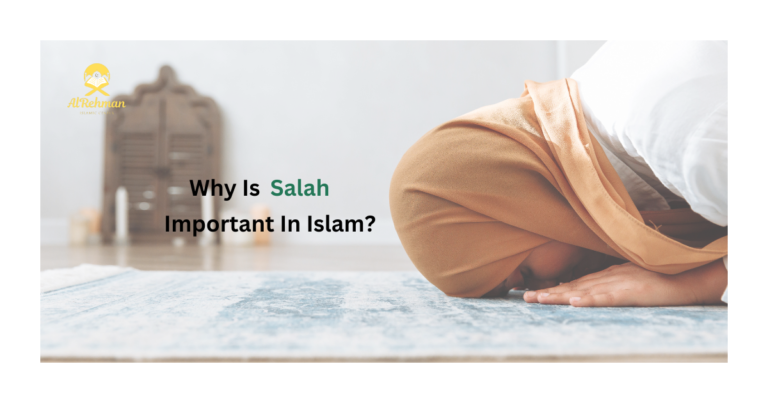
In today’s quick-moving, digitally linked world, it can be not easy to maintain a clear sense of purpose. The constant bombardment of distractions—from the attraction of materialism to the endless flow of content on social media—often distracts attention from the deeper meaning of life. Many people may feel discouraged by societal pressures to achieve success, collect wealth, or gain credit, which can lead to a sense of void despite external actions. Islam, however, offers tools that help believers guide this distraction-filled environment and stay focused on their true purpose. One such tool is regular prayer (Salah), which acts as a host, bringing the believer back to a state of mindfulness and remembrance of Allah throughout the day. Each of the five daily prayers serves as a moment of reflection, allowing Muslims to momentarily disconnect from worldly illusion and rematch their hearts with their Creator.
Additionally, reflecting on the Quran provides a deeper connection with one’s purpose in life. The Quran serves as a guide, constantly reminding believers of their true purpose and the quick nature of worldly distractions. Regular reflection on the Quran’s verses, associated with dhikr (remembrance of Allah), helps Muslims remain grounded and focused, bringing balance and clarity to their lives.
Balancing Dunya (Worldly Life) and Akhirah (Hereafter)
Islam supports a balanced approach to life, realizing the importance of both the dunya (worldly life) and the akhirah (Hereafter). While seeking success and fulfillment in the material world is not naturally wrong, Islam highlights that the purpose of the dunya should not outweigh the top goal of the akhirah. A Muslim is encouraged to engage in worldly purposes—such as education, work, and family life—with the intention of pleasing Allah, contributing to society, and improving one’s well-being, all while remembering that these objectives are temporary. The key to balancing the two is maintaining an awareness that this life is a test, and the actions taken in this world will eventually determine the outcome in the Hereafter.
Practical tips for achieving this balance include setting preferences and matching them with Islamic values. Muslims should set their goals and consider whether they serve both worldly and spiritual purposes. For example, a person may work hard in their job not just for financial gain but also to support their family, give charity, or contribute to their community in meaningful ways. Another important aspect of balance is maintaining gratitude (shukr). Being thankful for Allah’s blessings confirms that a person doesn’t become too attached to material wealth or achievements, instead realizing that everything comes from Allah’s grace and is a temporary trust.
Additionally, seeking Allah’s guidance in all aspects of life through regular supplication (du’a) and asking for help in making decisions ensures that one’s actions are matched with Allah’s will. The Prophet Muhammad ﷺ taught that a believer should seek Allah’s help in every industry, realizing that success in this life and the next is dependent on Allah’s will. The balanced approach helps Muslims stay focused on the leading purpose of life in Islam while engaging fully in the world around them, contributing to both their personal growth and the betterment of society.
Through a combination of mindfulness, gratitude, and seeking divine guidance, Muslims can guide the challenges of modern life while maintaining a clear sense of purpose and aiming toward the supreme goal of the Hereafter.
Conclusion
In Islam, the purpose of life in Islam is clear and practical: to worship Allah, live righteously, and prepare for the Hereafter. This purpose contains both spiritual and worldly measurements, encouraging Muslims to follow Allah’s guidance in all aspects of life. By adopting this purpose, Muslims can lead fulfilling lives that benefit themselves and others. Reflecting on our own purpose of life can help us reconnect with Allah, make positive changes, and desire success in both this world and the Hereafter. Let this article serve as a reminder to stay focused on your true purpose of life in Islam and seek eternal success through righteous living.
Frequently Asked Questions
1. What can I do to stay focused on my purpose in today’s world of distractions?
In a world filled with distractions, stay focused on your purpose by regularly engaging in prayer, Quranic reflection, and dhikr (remembrance of Allah). Set aside time for mindfulness and self-reflection, and seek guidance from Allah in every aspect of your life to maintain spiritual balance.
2. How does worship in Islam extend beyond rituals like prayer and fasting?
In Islam, worship (Ibadah) expands further prayer and fasting to include every action done with the intention of pleasing Allah. This includes acts like being kind to others, fulfilling your responsibilities, seeking knowledge, and maintaining good ethics in daily life.
3. Why is the concept of the Hereafter important in Islam?
The Hereafter (Akhirah) is important in Islam because it reminds Muslims that this life is temporary and that the greatest success is measured by what is achieved in the Hereafter. Muslims are encouraged to live righteously, knowing that their actions in this life will determine their fate in the endless life after death.