What Is The Meaning Of Ummah In Islam?
Table of Contents
Introduction
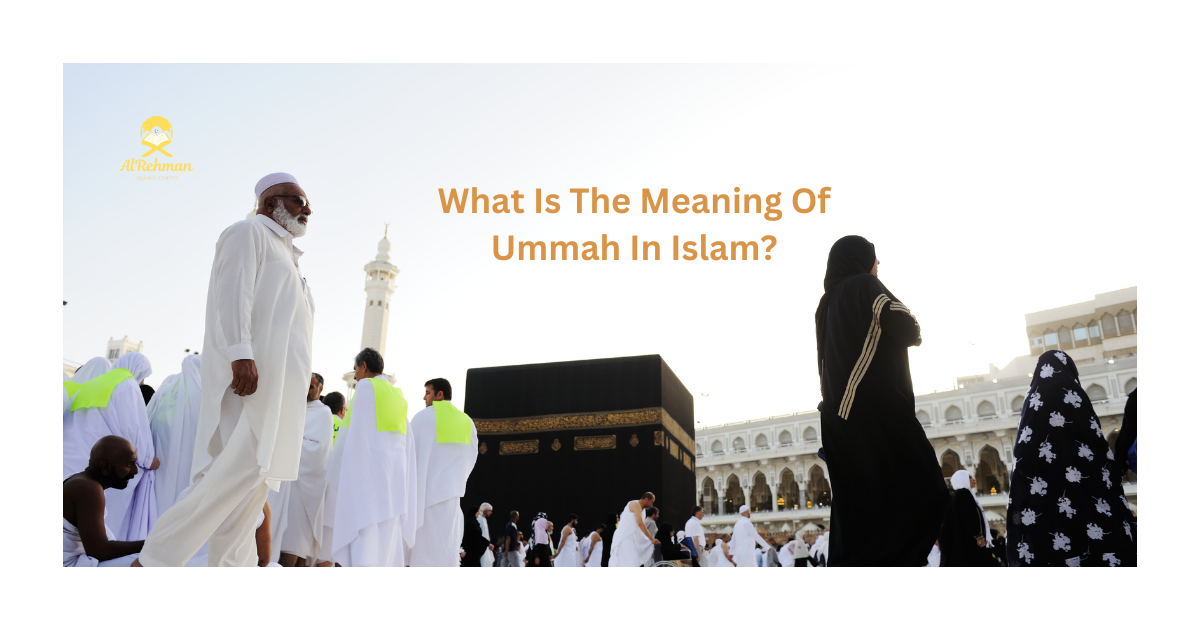
The meaning of Ummah in Islam represents the worldwide Muslim community, bound together by faith, shared values, and a sense of collective responsibility. It goes beyond national, ethnic, and cultural differences, creating a deep bond of unity, brotherhood, and mutual support among Muslims.
At its core, the concept of Ummah is essential to Islam, encouraging harmony, cooperation, and a shared sense of duty among believers. It nurtures a feeling of belonging, ensuring that Muslims uplift one another—spiritually, socially, and even politically. This unity is especially important in facing modern challenges, strengthening faith, and preserving Islamic identity for future generations.
Recommended: Explore the principles of Islam and achieve proficiency in the Quran.
What is the Meaning of Ummah in Islam?
The word Ummah comes from Arabic and generally means a community or nation. In Islam, it specifically refers to the global family of Muslims who are united by their shared faith and values.
Linguistic Definition of Ummah
The word “Ummah” comes from the Arabic root “Umm”, which means mother, reflecting a sense of care, belonging, and unity within a community. Another related root, “Amma,” means “to go” or “to lead,” emphasizing the importance of guidance and leadership in the Muslim community. This connection is also seen in the word “Imam,” which refers to the leader of prayers, reinforcing the idea of collective spiritual leadership and direction.
The Islamic Perspective on Ummah
In Islam, the Ummah is more than just a social or political group—it is a deep spiritual connection that unites all Muslims. It represents the shared belief in Tawheed (the oneness of Allah) and the teachings of Prophet Muhammad (PBUH). Despite differences in race, ethnicity, and culture, the Ummah is bound together by a common faith and a shared sense of purpose.
Recommended: Improve your Quran recitation through Tajweed.
The Concept of Ummah in the Quran and Hadith
The idea of Ummah holds a special place in Islam, deeply woven into the Quran and the teachings of Prophet Muhammad (PBUH). The Quran consistently highlights the importance of unity, faith, and looking out for one another as a community. It makes it clear that the Ummah is not just a human-made concept but a divinely guided bond that connects believers through faith, shared values, and a sense of mutual care. The Hadith further reinforces this, reflecting the Prophet’s deep compassion for his followers and his commitment to their collective well-being.
Quranic Verses About the Ummah
The Quran often highlights the deep significance and the meaning of Ummah in islam and the unity of Muslims. One powerful verse conveys this message:

This verse calls on Muslims to stay united as one, guided by Allah. It stresses the importance of togetherness, encouraging the Ummah to stand as a single, cohesive community, free from internal conflicts and divisions.
Another verse highlights the necessity of unity and avoiding division:

The phrase “rope of Allah” is often understood as a reference to the Quran, representing the divine guidance and teachings that Allah has provided. This verse serves as a powerful reminder of the risks of division and sectarianism, urging Muslims to stay united. By staying true to Islamic teachings and holding onto them firmly, the Ummah can preserve its strength and integrity.
Additionally, the Quran mentions that all of humankind was once a single Ummah, but over time, differences arose:

This verse reminds us that humanity once lived in unity, but over time, differences and conflicts arose. To help people find their way back to the truth, Allah sent messengers with divine scriptures. It’s a powerful reminder that divine guidance has always been essential in bringing people together and preserving harmony within the Ummah.
The Quran also refers to previous communities as Ummahs, illustrating that every prophet was sent to guide their respective Ummah:

This emphasizes that the idea of Ummah isn’t just for the followers of Prophet Muhammad (PBUH); it has been a recurring theme throughout divine revelation. However, Islam ultimately defines the final and universal meaning of Ummah in islam—one that embraces all believers, regardless of their background, nationality, or social status.
These verses together underscore the importance of unity, staying true to divine guidance, and working together as a community. The Quran warns against division and urges Muslims to remain steadfast in their faith, ensuring that their Ummah remains strong and united.
Recommended: Deepen your faith and understanding of the Quran.
Prophetic Sayings on the Unity of the Muslim Community
The Prophet Muhammad (PBUH) emphasized the unity of the Ummah in several hadiths, such as:

Furthermore, the Prophet deeply cared about the well-being of his Ummah, often making supplications for them:

The Historical Development of the Muslim Ummah
The Muslim Ummah, or the global Muslim community, has experienced profound changes since it first emerged in the 7th century. What started as a small group of believers in Mecca, struggling against persecution, eventually grew into a thriving and influential civilization.
Over the centuries, the Ummah has seen moments of unity and periods of division, as well as remarkable achievements in culture and science. It has also embraced diverse interpretations of Islamic teachings. At its core, the idea of Ummah is built on a sense of shared faith, mutual support, and a commitment to the principles of Islam.
The Role of Prophet Muhammad (PBUH) in Shaping the Ummah
Prophet Muhammad (PBUH) played a crucial role in shaping the foundation of the Muslim Ummah. His mission extended beyond simply conveying the message of Islam—he worked tirelessly to build a just and ethical society rooted in divine principles. With his remarkable character, wisdom in diplomacy, and compassionate leadership, he brought together the once-divided Arab tribes, fostering a sense of brotherhood, social justice, and equality among them.
In Medina, he established the first organized Muslim community, laying the groundwork for governance, law, and peaceful coexistence. His farewell sermon remains a powerful reminder of the values he upheld—unity, human dignity, and unwavering commitment to Islamic teachings—principles that continue to inspire and guide Muslims to this day.
The Constitution of Medina: The First Example of an Islamic Ummah
The Constitution of Medina (Sahifat al-Madina) was a groundbreaking legal document that laid the foundation for governing the first Islamic state. It was drafted by Prophet Muhammad (PBUH) after his migration to Medina and served as a unifying framework for Muslims, Jews, and other communities, bringing them together under a single political and social structure.
At its core, the document upheld key values such as religious freedom, social justice, and collective responsibility, ensuring that people of different backgrounds could coexist peacefully. It clearly defined the roles and rights of all citizens, fostering a sense of belonging and shared purpose. Today, the Constitution of Medina is often seen as an early model of a pluralistic society, reflecting Islam’s strong emphasis on justice, cooperation, and mutual respect.
Expansion and Growth of the Ummah Through History
After the passing of the Prophet, the Muslim Ummah experienced a remarkable period of expansion under the leadership of the Rightly Guided Caliphs (Khulafa al-Rashidun) and later Islamic dynasties such as the Umayyads, Abbasids, and Ottomans. Islam spread far and wide, not only through military conquests but also through trade, missionary efforts (dawah), and the inspiring character of Muslim communities.
As Islamic civilization grew, it flourished across regions like the Middle East, North Africa, Spain, Persia, and South Asia, leaving a lasting impact on fields such as science, medicine, mathematics, philosophy, art, and governance. Over time, various Islamic sects and schools of thought emerged, each contributing to the rich and diverse identity of the meaning of Ummah in islam while remaining connected by a shared faith.
Though history brought challenges such as colonialism, internal conflicts, and political divisions, the Muslim Ummah continues to strive for unity and progress, guided by common religious and ethical values.
Core Values and Responsibilities of the Ummah
Brotherhood and Solidarity Among Muslims
Islam teaches that Muslims are like brothers and sisters, bound by faith and moral responsibilities. The Quran states:

The Prophet Muhammad (PBUH) also emphasized this unity by stating:

Recommended: When Was the Quran Written?
Social Justice and Mutual Support
The Muslim community has a duty to uphold justice and care for those in need, as reflected in the principles of Zakat (charity) and the core Islamic values of fairness and equality.
Collective Worship and Spiritual Bond
Acts of worship—such as prayer, fasting, and Hajj—bring Muslims together, strengthening their sense of unity and deepening their connection with one another across the world.
Challenges Facing the Muslim Ummah Today
Divisions and Sectarianism
Despite Islam’s emphasis on unity, sectarian conflicts and ideological differences have led to divisions within the Ummah.
Political and Social Struggles
Many Muslim nations face political instability, economic hardships, and social injustice, affecting the cohesion of the global Ummah.
The Role of Media and Globalization
Media representation and globalization present both opportunities and challenges, influencing the perception and identity of the Ummah worldwide.
Recommended: What is the purpose of life in Islam?
Reviving the Spirit of Ummah in the Modern World
In today’s world, the Muslim Ummah faces many challenges, from political divisions and sectarian differences to external pressures. Strengthening the spirit of unity requires all of us to come together, support one another, and stay true to the core values of Islam. By tackling social, economic, and political issues with a shared vision, we can move forward as a united community, fostering progress and solidarity in the modern era.
Promoting Unity and Cooperation
Building strong connections among Muslims is crucial for revitalizing the meaning of Ummah in islam. This can happen through open conversations—both within the faith and with others—along with community programs and joint efforts to tackle shared challenges like poverty, education, and human rights. Creating spaces for dialogue and mutual understanding can help bridge divides and foster a spirit of unity and collaboration among Muslim communities.
Overcoming Cultural and Political Barriers
The Muslim world is incredibly diverse, and that diversity should be seen as a strength, not a source of division. By focusing on the core values that unite us while respecting the rich cultural differences among communities, we can build stronger connections. It’s important to approach political conflicts with diplomacy and open dialogue, making sure that national interests don’t come at the expense of the greater good of the Ummah. When we embrace open-mindedness and show respect for the many ways Islam is practiced, we create a more inclusive and united Muslim identity.
The Role of Islamic Scholars and Leaders
Religious scholars and community leaders carry a profound responsibility in guiding the Ummah. Through their wisdom and dedication, they have the power to uphold the true teachings of Islam—teachings that emphasize peace, justice, and unity. By doing so, they can help dispel misconceptions, combat extremism, and bridge divisions within the community. Their efforts in educating people, inspiring ethical leadership, and nurturing a shared sense of responsibility play a vital role in strengthening the spiritual and moral fabric of the Ummah.
Recommended: When Was The Quran Revealed?
Conclusion
The idea of the Ummah is at the heart of Islam, bringing Muslims together in unity, brotherhood, and a shared sense of responsibility. It serves as a powerful reminder that, no matter where they come from or what their background is, all Muslims are connected through their faith and a common moral duty.
To uphold the spirit of the Ummah, Muslims must actively work toward peace, cooperation, and a stronger global Islamic identity. This isn’t just a collective responsibility—it starts with individuals making efforts to promote understanding, justice, and social harmony in their own lives and communities.
By staying united and tackling the challenges of today’s world, the Ummah can continue to grow and reflect the true values of Islam. Strengthening education, economic ties, and humanitarian efforts among Muslim nations and communities will help build a more prosperous and resilient Ummah—one that remains meaningful and impactful for generations to come.
Frequently Asked Questions
1. Does the Ummah include all Muslims, regardless of differences?
Yes, the Ummah includes all Muslims, regardless of their nationality, ethnicity, or cultural differences, as they are united by their shared faith and core Islamic values.
2. How does the Quran describe the concept of Ummah?
The Quran describes the Ummah as a united community of believers who uphold righteousness, justice, and support one another in faith and good deeds (Surah Al-Imran 3:110).
3. What role does the Ummah play in addressing global challenges?
The Ummah plays a crucial role in addressing global issues by promoting social justice, humanitarian aid, interfaith dialogue, and collective efforts to solve economic and political challenges.
4. Is the concept of Ummah limited to religious matters only?
No, the concept of Ummah extends beyond religious matters to include social, economic, and humanitarian aspects, encouraging Muslims to work together for the betterment of society.
5. How can modern technology help strengthen the Ummah?
Technology enables Muslims worldwide to connect, share knowledge, support charitable causes, and promote Islamic teachings, fostering greater unity and cooperation within the Ummah.