What Are The Five Pillars Of Islam?
Table of Contents
Introduction
Islam, one of the world’s largest and most influential religions, is followed by over a billion people worldwide. At the heart of Islam lies a system of principles and practices that shape the lives of Muslims, guiding their spiritual growth and their daily interactions with the world around them. Major to these practices are the Five Pillars of Islam—five basic acts of worship that Muslims must observe. These pillars go above every ritual; they form the foundation of a Muslim’s faith and life. Each pillar plays a unique role in promoting personal discipline, moral goodness, and social justice.
This article seeks to provide a thorough exploration of the Five Pillars of Islam, offering an understanding of what they are, why they hold such importance, and how they help shape the lives of Muslims across the globe. Whether you are a Muslim looking to strengthen your connection to your faith or simply someone interested in Islam, this guide will help explain the importance of these practices and their transformative impact on both individuals and communities.
Recommended: Explore the principles of Islam and achieve proficiency in the Quran.
What Are the Five Pillars of Islam?
The Five Pillars of Islam are the basic acts of worship and duties that every Muslim is bound to observe. The pillars serve as the foundation of a Muslim’s life, tracing their relationship with God and their responsibilities toward others. The Five Pillars of Islam include Shahada (Faith Declaration), Salah (Daily Prayers), Zakat (Charitable Giving), Sawm (Fasting During Ramadan), and Hajj (Pilgrimage to Mecca).
Recommended: What is the purpose of life in Islam?
The term “pillars” is used because these practices support and support a Muslim’s faith, much like physical pillars support a structure. Together, they encourage spiritual discipline, social connection, and a sense of unity within the global Muslim community.

1. Shahada (Faith Declaration)
The Shahada is the first and most fundamental pillar of Islam. Shahada is the statement of faith, the very nature of what it means to be a Muslim. The phrase itself is simple yet powerful: “There is no god but Allah, and Muhammad is His messenger.” This statement represents the core beliefs of Islam: the oneness of God (Allah) and the finality of the Prophethood of Muhammad (peace be upon him).
The first part of the Shahada, “There is no god but Allah,” expresses the fundamental Islamic concept of Tawhid, the belief in the total oneness of God. Shahada signifies that there is no God worthy of worship except Allah. The second part, “Muhammad is His messenger,” verifies the belief in the prophethood of Muhammad, identifying him as the final prophet who got the complete message of Islam to humanity.
The Shahada serves as a brief yet deep summary of the Islamic faith, highlighting both the unique divinity of Allah and the role of Prophet Muhammad as the final and supreme guide for Muslims.
Significance of Shahada in Islam
The Shahada is the foundation of a Muslim’s faith, and its importance cannot be lengthened. It is not just a verbal declaration; it is a commitment to God that confirms one’s belief in the foundational truths of Islam.
The Shahada serves as the foundation of Islamic belief, declaring the oneness of Allah and the finality of the Prophethood of Muhammad. It is a central declaration in a Muslim’s life, learned from childhood and recited at death, symbolizing the core of their faith. Beyond words, reciting the Shahada triggers a deep spiritual transformation, guiding a Muslim to live a purposeful life grounded in the teachings of the Quran and Hadith. It also unites Muslims globally, exceeding cultural, national, and verbal boundaries, promoting a sense of brotherhood and shared identity within the Ummah. Additionally, the Shahada directs a Muslim’s worship, highlighting the exclusive worship of Allah and the following of Prophet Muhammad’s example in both faith and conduct.

Recommended: Deepen your faith and understanding of the Quran.
2. Salah (Daily Prayers)
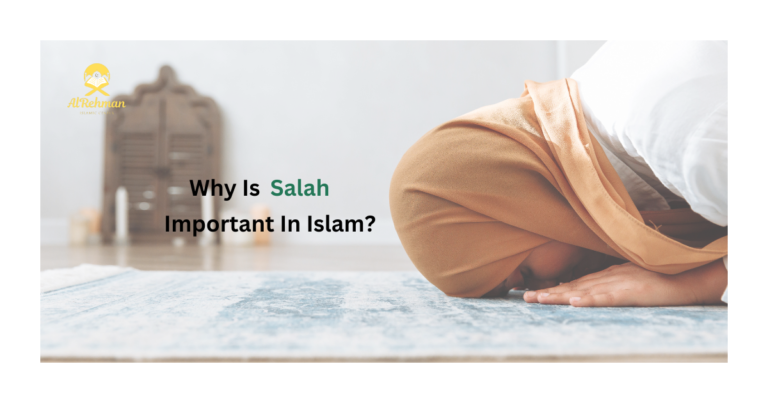
Salah is the second pillar of Islam and refers to the mandatory prayers that Muslims perform five times a day. Salah is not just a ritual but a deeply spiritual practice that allows Muslims to connect with Allah (God) on a daily basis. These prayers are a major act of worship, expressing affection, gratitude, and submission to Allah.
Salah involves a set series of physical movements and recitations, which help Muslims maintain focus and discipline in their faith throughout the day. The prayers act as both a reminder of Allah’s presence and a way to purify the heart and mind. Prayers are an important expression of obedience to the Creator, supporting the Muslim’s relationship with God and developing a sense of humility and dependence on His mercy.
Each prayer is a structured form of communication with Allah, where Muslims seek guidance, offer thanks, ask for forgiveness, and reflect on their actions. Salah is considered the most direct and personal form of worship, as Muslims face the Kaaba in Mecca (the most sacred site in Islam) while performing their prayers, strengthening the unity of the Muslim community worldwide.
Significance of Salah in a Muslim’s Life
Salah is a powerful means of showing a direct link with Allah. It is a daily routine that ensures Muslims are continually reminded of Allah’s presence and their dependence on Him. Every prayer brings Muslims closer to their Creator and serves as a renewal of their faith and commitment to live according to Allah’s guidance.
Salah encourages discipline and routine by setting fixed prayer times throughout the day, helping Muslims structure their time around worship and stay focused on their faith. Each prayer is also an opportunity for appreciation and mindfulness, allowing Muslims to thank Allah, seek forgiveness, and reflect on their actions while remaining matched with their purpose. Through physical acts like bowing and prostrating, Salah also serves as a means of spiritual purification, cleansing the soul and heart and separating from worldly distractions to connect with the Creator. Furthermore, while primarily an individual act, Salah strengthens social bonds within the Muslim community, as collective prayers, particularly on Fridays, foster a sense of unity, brotherhood, and equality among Muslims.

Recommended: Let’s make Islamic education enjoyable for children.
3. Zakat (Charitable Giving)
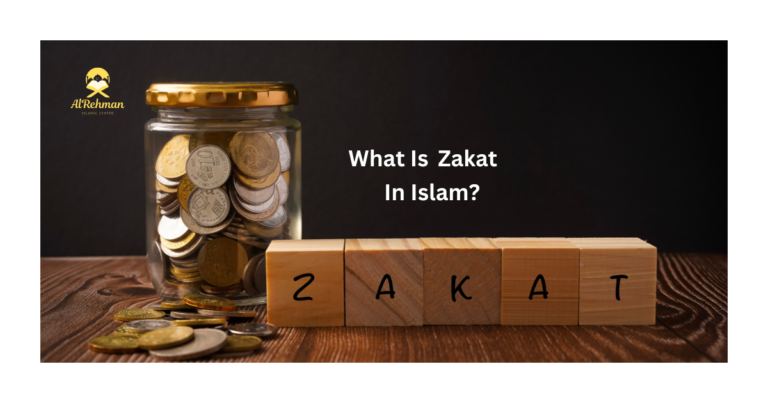
Zakat is the third pillar of Islam and guides the required generous giving that every financially able Muslim must contribute to those in need. The term “Zakat” comes from the Arabic root word z-k-a, which means “purity” or “growth.” Thus, Zakat literally translates to “purification” or “that which purifies.” This reflects its dual purpose: it purifies the wealth of the giver and encourages the spiritual growth of both the giver and the receiver.
Zakat is not considered an optional charity (sadaqah); rather, it is a responsibility for Muslims who meet a certain level of wealth, known as the Nisab (the minimum amount of wealth a person must have before they are required to give Zakat). It typically amounts to 2.5% of a Muslim’s collected wealth over a year. This makes Zakat a structured, annual duty—unlike voluntary charity, which can be given at any time and in any amount.
Zakat can be given in various forms, not just in cash but also in kind, such as food, clothing, or other valuable resources that directly aid the poor. The purpose is to purify the wealth of the donor while helping those in need, ensuring a more just and balanced society.
Why Is Zakat Important?
Zakat holds huge importance in Islam, both spiritually and socially. Its importance extends beyond charity to contain a system of social justice and moral responsibility:
Zakat serves multiple purposes, both social and spiritual, within Islam. It purifies a Muslim’s wealth by removing impurities, particularly those gained through corrupt means or storage.
By giving a portion to those in need, Muslims free themselves from material attachment, cultivating gratitude and humility. Zakat also plays an important role in helping poverty and reducing inequality, redistributing wealth from the rich to the poor to meet basic needs, and promoting economic fairness. This act promotes social justice by ensuring the wealthier contribute to the welfare of the needy, creating a more honest society. Beyond its social impact, Zakat is a means of spiritual growth and self-purification, encouraging charity, a break from materialism, and a closer relationship with Allah.
Furthermore, Zakat strengthens the solidarity and brotherhood of the Ummah, supporting the idea that the well-being of individuals is entangled with the collective, building an understanding society where members care for one another’s welfare.

Recommended: Improve your Quran recitation through Tajweed.
4. Sawm (Fasting During Ramadan)
Sawm guides the act of fasting during the holy month of Ramadan, the ninth month of the Islamic Moon-based calendar. Ramadan is believed to be the most sacred month in Islam, and fasting during this time is one of the Five Pillars of Islam. Fasting during Ramadan involves avoiding food, drink, smoking, and other physical needs from dawn (Fajr) until sunset (Maghrib).
The act of fasting is not limited to just avoiding eating and drinking but also includes avoiding sinful behavior such as lying, arguing, gossiping, or engaging in any immoral activity.
The fast is a complete process of purification in which Muslims aim to cleanse both their physical bodies and their hearts. The fast is broken each day with the Iftar meal, which is typically eaten at sunset, and it is often started with dates and water in accordance with the Sunnah (the practice of the Prophet Muhammad, peace be upon him).
Fasting during Ramadan is a deeply spiritual practice meant to encourage mindfulness of Allah and to increase one’s affection, reflection, and gratitude.

5. Hajj (Pilgrimage to Mecca)
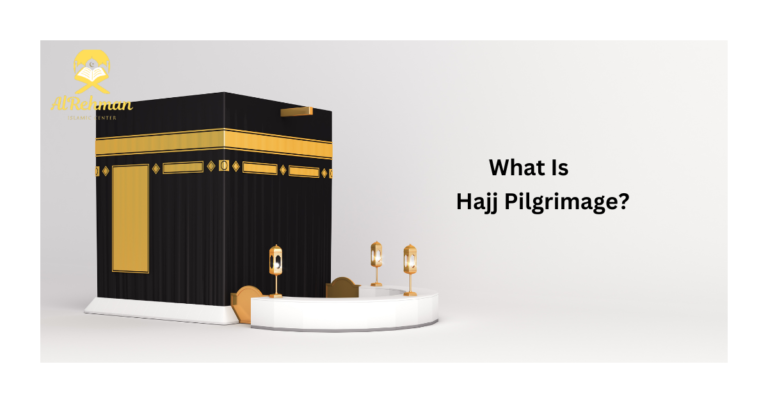
Hajj is the pilgrimage to Mecca in Saudi Arabia, and it is one of the most important religious duties for Muslims. Hajj is the fifth pillar of Islam, and every Muslim who is physically and financially capable is required to perform it at least once in their lifetime.
Hajj is an annual event that brings Muslims from every corner of the globe to Mecca, regardless of their race, nationality, or socio-economic status. The pilgrimage consists of a series of rituals performed over several days and is designed to show submission to Allah (God) and to purify the soul.
Hajj is not only an individual act of worship but also a collaborative experience that strengthens the bonds of brotherhood and sisterhood among Muslims worldwide. Hajj serves as a reminder of the unity of the Muslim ummah (community) and the equality of all believers before Allah.

Conclusion
The Five Pillars of Islam are the foundation of a Muslim’s life, representing faith, worship, and service to others. The five pillars of Islam provide spiritual discipline, strengthen community relations, and serve as a reminder of a Muslim’s duties to Allah and humanity. By understanding and practicing these pillars, Muslims maintain a pleasant balance between their spiritual and worldly lives, supporting the importance of Islam as a religion of peace and submission to the will of Allah.
Frequently Asked Questions
1. Can non-Muslims follow the Five Pillars OF ISLAM?
Non-Muslims can learn about the Five Pillars of Islam and appreciate their spiritual and moral importance. However, these pillars are specific acts of worship that are required for Muslims. Non-Muslims may find inspiration in these principles but are not required to follow them.
2. What happens if a Muslim cannot perform one of the Five Pillars?
Islam provides adaptability in cases of real inability. For example, if someone is ill or financially unable to pay Zakat, they are excused, but they are encouraged to make up for it later when they are able. Similarly, if someone is physically incapable of fasting during Ramadan or performing Hajj due to illness, they may be excused and can offer compensation (Fidya).
3. Are the Five Pillars of islam the same for all Islamic sects?
Yes, the Five Pillars of Islam are universally practiced by both Sunni and Shia Muslims. While there may be some minor differences in the specifics of certain rituals, such as how prayers are performed or the way Zakat is calculated, the Five Pillars of Islam themselves remain the same across all branches of Islam.